





Why Fiber May Be the Missing Link in Your Midlife Weight-Loss Journey
For many women, midlife weight gain feels frustrating and confusing.
You may be eating the same way you always have, exercising regularly, and still watching the scale move in the wrong direction. Along with stubborn belly fat, many women also experience bloating, constipation, digestive discomfort, and cravings that seem harder to control than ever before.
While hormones often get the blame, there may be another important piece of the puzzle that is frequently overlooked: fiber.
Fiber is not a quick fix or a magic weight-loss ingredient. However, getting enough fiber may make it easier to feel satisfied, support regular digestion, and build eating habits that promote a healthy weight over time.
Why Weight Management Can Feel Harder at Midlife
The menopause transition can bring changes in body composition, including a greater tendency to store fat around the abdomen and a gradual loss of lean muscle. At the same time, busy schedules, stress, poor sleep, and reduced activity can make healthy routines harder to maintain.
Digestive changes can add another layer of frustration. Some women experience:
- Constipation or less frequent bowel movements
- Bloating and abdominal discomfort
- Feeling overly full or sluggish
- Increased cravings and snacking
- Difficulty feeling satisfied after meals
These concerns are not always caused by low fiber, but inadequate fiber intake can contribute to digestive irregularity and may make appetite management more difficult.
How Fiber Supports a Healthy Weight
Fiber is the part of plant foods that the body does not fully digest. It passes through the digestive system differently from protein, fat, sugars, and starches.
Fiber-rich foods tend to be more filling and generally take longer to eat and digest. This may help you remain satisfied longer and make it easier to reduce mindless snacking or oversized portions. Soluble fiber also forms a gel-like substance when mixed with water, which can slow digestion and support steadier absorption of carbohydrates.
That does not mean fiber directly “burns fat.” Instead, it supports several daily habits that can contribute to sustainable weight management:
Fiber May Help You Feel Fuller
Meals and snacks containing fiber tend to feel more satisfying than highly processed, low-fiber foods. Feeling comfortably full may make it easier to stay consistent with your nutrition goals without feeling constantly deprived.
Fiber Supports Digestive Regularity
Insoluble fiber adds bulk to stool and helps move material through the digestive tract. Soluble fiber absorbs water and can help create softer, more formed stools. Together, the different types of fiber can support comfortable, regular elimination.
Fiber Supports the Gut Microbiome
Certain fibers act as nourishment for beneficial bacteria in the digestive tract. These bacteria produce compounds that are associated with digestive and metabolic health. A varied diet containing fruits, vegetables, beans, whole grains, nuts, and seeds remains the best foundation for supporting microbial diversity.
Fiber Can Support Steadier Energy
Soluble fiber can slow the absorption of sugar from a meal. Pairing fiber with protein and healthy fat may help support steadier energy and reduce the cycle of feeling hungry again shortly after eating.
Are Women Getting Enough Fiber?
The recommended daily fiber intake is approximately:
- 25 grams per day for women age 50 and younger
- 21 grams per day for women over age 50
However, many women struggle to reach those amounts consistently.
A day filled with protein bars, cheese, meat, white bread, crackers, restaurant meals, or packaged snacks may contain less fiber than expected. Even women who are trying to eat well can fall short when meals do not regularly include vegetables, berries, legumes, seeds, whole grains, or other fiber-rich foods.
Signs You May Not Be Getting Enough Fiber
- Constipation
- Bloating
- Feeling hungry shortly after meals
- Difficulty maintaining a healthy weight
- Inconsistent energy
- Limited intake of fruits, vegetables, beans, and whole grains
Where GoodFibrations Fits Into A Midlife Wellness Routine
Whole foods should always be the foundation of a healthy diet. However, a fiber supplement can be a convenient way to help close the gap on days when your meals do not provide enough.
GoodFibrations® by Solle Naturals is a delicious ginger pear flavored fiber drink that provides 6 grams of diverse, plant-sourced fiber per serving. It combines both soluble and insoluble fiber along with a unique blend of fruits, herbs, and botanicals designed to support digestive health, regularity, alnd the body's natural detoxification process. Its formula begins with psyllium husk, hull, and seed powder and also includes plant ingredients such as apple, blueberry, cranberry seed, raspberry, slippery elm, marshmallow root, holy basil, ginger, pear, and lime.
For woman navigating midlife weight changes, digestive concerns, and increased toxin exposure from modern lifestyles, GoodFibrations offers an easy daily habit that supports overall wellness from the inside out.
GoodFibrations may be especially helpful for women who:
- Have difficulty eating enough fiber each day
- Want additional digestive and regularity support
- Feel hungry soon after meals
- Are working toward a healthier weight
- Want a simple fiber addition to their morning routine
- Are increasing protein intake and need to balance it with more fiber
How To Use GoodFibrations
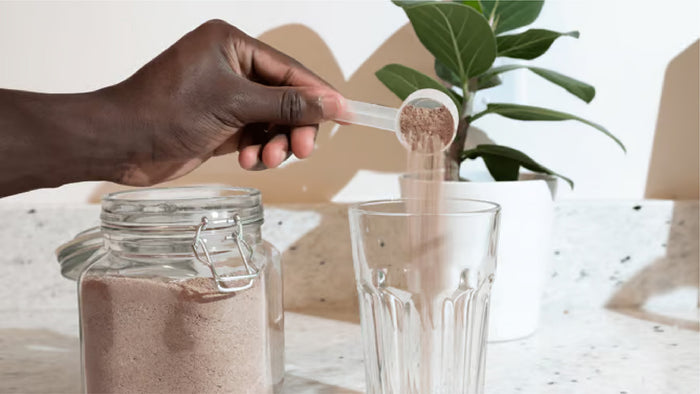
Add one scoop to eight ounces of cold water and mix until smooth. Drink it immediately, then follow it with another eight ounces of water.
It can also be incorporated into a smoothie, although adequate water throughout the day is still important.
Because increasing fiber too quickly can cause gas, cramping, or bloating, begin gradually if your current diet is low in fiber. Health professionals generally recommend increasing fiber in small amounts while monitoring your comfort and drinking enough fluid.
A Simple Midlife Fiber Routine
Try building your day around small, manageable choices:
Morning: GoodFibrations with water, followed by a protein-rich breakfast with berries.
Lunch: A large salad with vegetables, beans, avocado, grilled chicken, or salmon.
Snack: An apple with nut butter or Greek yogurt with chia seeds.
Dinner: Lean protein with roasted vegetables and a small serving of beans, lentils, quinoa, or another whole grain.
This approach provides more than fiber. It also offers protein, vitamins, minerals, healthy fats, and a range of plant nutrients that support overall wellness.
The Bottom Line
If weight management feels more challenging than it once did, fiber may be one of the simplest and most overlooked places to start.
A diet rich in fiber can support fullness, digestive regularity, gut health, healthy cholesterol levels already within the normal range, and your body’s natural detoxification processes.
GoodFibrations® by Solle Naturals makes it easy to add a meaningful amount of diverse plant fiber to your daily routine in a refreshing ginger pear flavored drink that supports digestive wellness and overall health.
Sometimes the missing link isn’t another diet.
Sometimes it’s simply giving your body the fiber it has needed all along.
Ready to Close Your Fiber Gap?
Support your daily fiber intake and digestive wellness with GoodFibrations®.
These statements have not been evaluated by the Food and Drug Administration. GoodFibrations and OneHealthySoul is not intended to diagnosis, treat, cure, or prevent any disease. Consult your healthcare professional before beginning a fiber supplement.